Introduction
Wrestling has proven to be one of the most effective bases for success in MMA. With its emphasis on control, leverage, and takedowns, wrestling provides fighters with a skill set that can dictate the flow of a fight. This post explores how wrestling has shaped MMA, the fighters who have mastered it, and the techniques that make it so dominant.
Why Wrestling Dominates MMA
Wrestlers have a unique advantage in MMA due to their ability to control where the fight takes place. A high-level wrestler can dictate whether the fight remains standing or goes to the ground, giving them strategic flexibility. Takedown defense is equally valuable, allowing wrestlers to keep fights standing against skilled grapplers or strikers.
The physical attributes developed through wrestling—explosive power, balance, and relentless pace—are invaluable in MMA. These attributes make wrestlers some of the hardest fighters to compete against, as they can maintain pressure and control for extended periods.
Legends Who Used Wrestling to Dominate
Georges St-Pierre (GSP) is perhaps the most famous example of a fighter who integrated wrestling into his game flawlessly, despite not having a wrestling background before MMA. His double-leg takedown became legendary, allowing him to control the fight and dictate its tempo against formidable strikers and grapplers.
Daniel Cormier (DC) is another fighter whose Olympic wrestling background translated seamlessly into MMA success. His ability to utilize clinch control and takedowns, combined with ground-and-pound, made him one of the most feared heavyweights and light heavyweights.
Khabib Nurmagomedov’s grappling, while a blend of Sambo and wrestling, showcased how relentless chain wrestling could break an opponent’s will. His transitions between different takedowns and his mastery of top control ensured that once he got his opponent down, the round was usually his.
Techniques That Stand Out
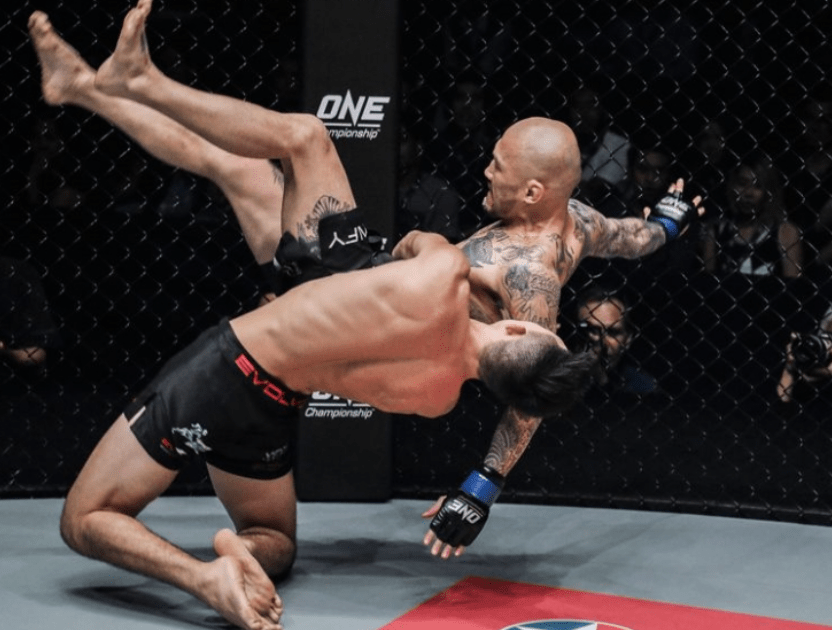
Wrestlers in MMA often employ a range of takedown techniques, such as single-leg and double-leg takedowns, trips, and throws. Against the cage, wrestlers use clinch work and pummeling to secure advantageous positions. The importance of ground control and top pressure cannot be overstated, as it forces opponents to expend energy while offering opportunities for ground-and-pound or submissions.
The Evolution of Wrestling in Modern MMA
While early MMA often featured pure wrestlers using their skills to control fights, modern MMA fighters must adapt by integrating other elements, such as striking and submission defense. Fighters like Henry Cejudo, an Olympic gold medalist turned MMA champion, evolved to become a formidable striker to complement his wrestling base.
Conclusion
Wrestling remains the backbone of many champions in MMA. Its emphasis on control, strength, and conditioning has shaped the careers of some of the greatest fighters in the sport. As MMA continues to evolve, the integration of wrestling techniques with other martial arts will ensure that wrestling maintains its position as one of the most critical components of a fighter’s arsenal.
 StrikeSaga
Leave a comment